
A Focus on Power and Presence
Classic American muscle cars were designed with only one purpose in mind, performance. Carmakers of the 1960s and early 1970s focused more on creating cars that appeared as strong as they performed. This led to the creation of bold and aggressive designs that had the might of engines under the hood. Cars such as the Pontiac GTO represented this philosophy, being a mid-sized body with a performance-level V8 engine in a compromise between utility and brute force.
Long Hoods and Short Decks
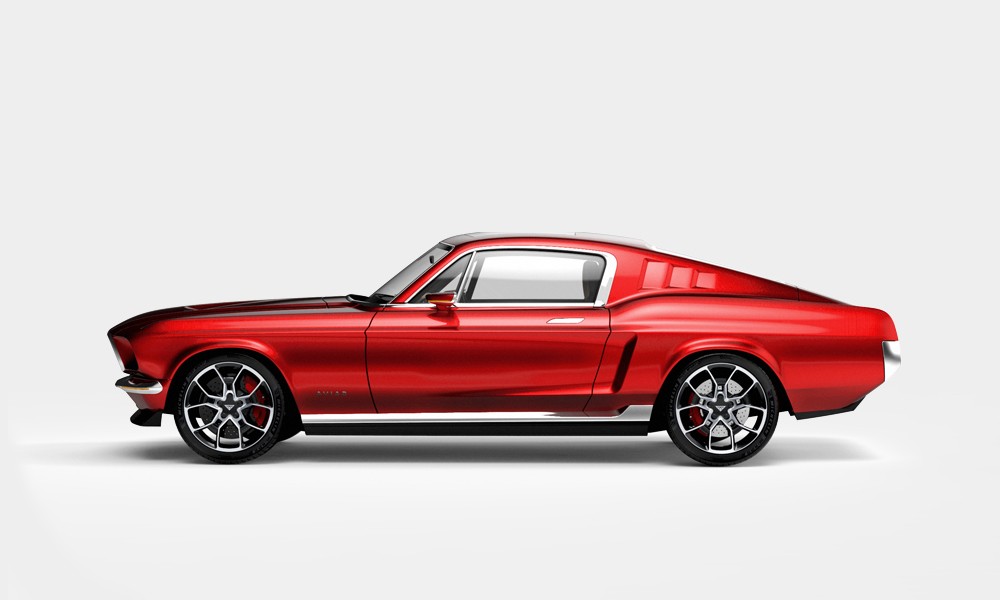
The long hood, short deck proportion of a muscle car is one of the most recognisable elements of muscle car design. This design was aesthetically meant to highlight the massive engines beneath the hood as well as provide the car with a dynamic and forward-leaning posture. Ford Mustang and Chevrolet Camaro models were the best demonstrators of this design principle, and they are easily recognised decades later. This design philosophy also explains why classic Mustangs remain iconic, as their distinctive proportions and styling continue to stand the test of time.
Risky Styling and Vicious Lines.
Classic muscle cars were meant to be different. These cars had commanding presence on the road courtesy of sharp lines, broad stances and muscular curves. Designers employed characteristics like hood scoops, racing stripes, and chrome accents to make the car look better and to appear faster. One of the brightest examples of how the aggressive styling might make a long-term impression is the Dodge Charger.
Function Meets Aesthetics
Although muscle cars were synonymous with their flashy looks, they were not merely cosmetic in their design. Numerous characteristics had functional value. Examples include adding hood scoops, which enhanced air intake to the engine, and broader tyres, which offered greater traction. This combination of shape and purpose meant that the cars were not only pretty-looking but could perform well on the road.
Simple and Drivers Interiors.
The interior of vintage muscle cars indicated an emphasis on the driving experience. In contrast to the cars of the modern world, where digital boards and new technologies are widespread, these cars had simplistic dashboards with only the necessary gauges and controls. The design was car owner-centric with everything required to perform a driving task readily available. This simplicity contributed to the general appeal, as driving became more interactive and user-friendly.
Impact of Motorsport and Youth Culture.
Motorsport and the then-increasing youth culture were strong influences on the design of muscle cars. Sports car features like performance badges and stripes suggested a sporty image to cars. Meanwhile, car manufacturers were also focusing on younger consumers who were interested in excitement and uniqueness. This relationship with youth culture contributed to the forthright and demonstrative design language of muscle cars.
Enduring Influence on Design of the Present Age.
The classic muscle car design philosophy still has an effect on the contemporary styling of cars. Modern high-performance cars tend to have retro-style features like aggressive grilles, shaped bodies, and aggressive postures. Contemporary renditions of the classic models are continuing to embody the principles of the designs but with a mix of the traditional and the modern.
Conclusion
The American philosophy of classic muscle cars was a perfect combination of power, functionality and flamboyant design. Whether it was their iconic proportions through to their aggressive styling and interior driver-oriented design, the vehicles were designed to provide not only performance, but a visual effect.