
1. THE CLASSIC CAR ASSET
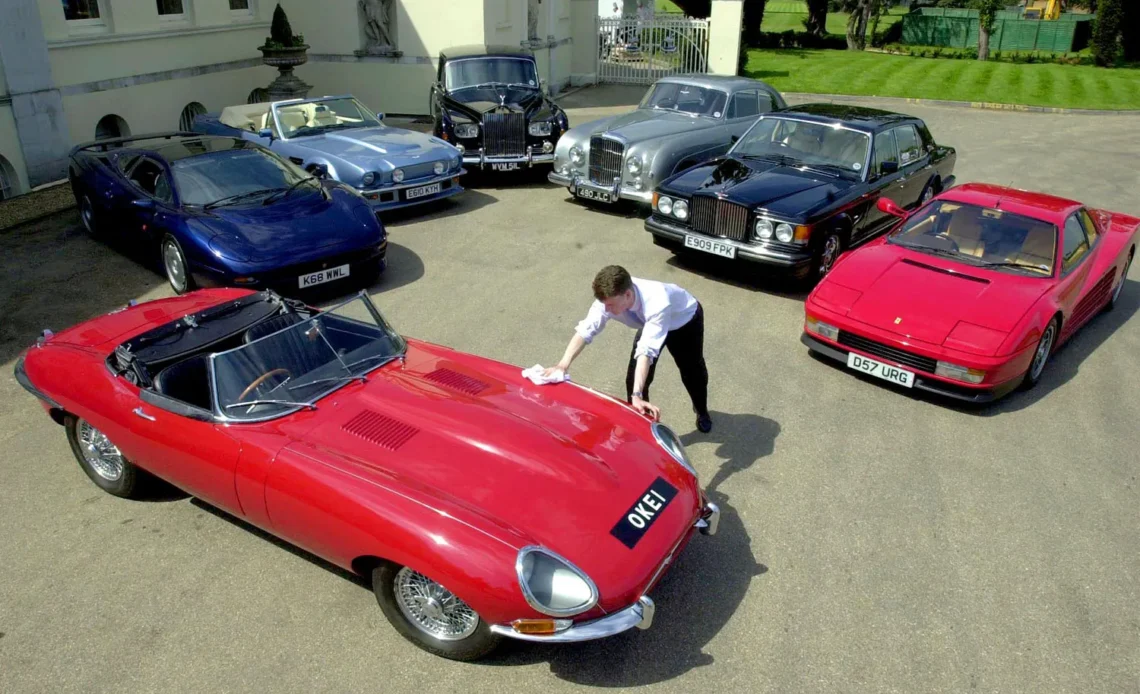
From being a mere means of transportation to a collectible and investment vehicle, classic cars have evolved. It has transformed into a high-stakes asset class from being a hobby for enthusiasts, capturing the attention of collectors and investors. Classic cars’ allure is undeniable. A tangible piece of history that embodies the spirit of an era is represented in these automotive artifacts. Classic cars have the potential to deliver substantial returns by outperforming traditional asset class on certain market conditions beyond being nostalgic. As a result, the market of classic cars has attracted a wide range of participants, from high-net-worth individuals to institutional investors, and has witnessed explosive growth. A keen eye for value, a deep understanding of automotive history, and a tolerance for risk are required to navigate this niche market. Based on various factors, including market sentiment, vehicle provenance, and economic conditions, the value of classic cars can fluctuate. The costs related to ownership, including storage, maintenance, and insurance, can be substantial. The goal of this article is to guide you in the world of classic cars with regard to investment strategies, potential pitfalls, and insights about market dynamics, etc.
2. MARKET OPPORTUNITY
A period of unprecedented growth is experienced by the classic car market, which is fueled by a combination of factors that has transformed these icons into an investment proposition, making an Investing in classic cars guide increasingly valuable for new and seasoned collectors alike.
3. MARKET SIZE AND GROWTH
The global classic car market is currently estimated to be valued at USD 31.1 billion. A staggering surge in the value is represented by this figure that reflects an increasing appetite for these vehicles both as an investment asset and as a collectible. Continued growth is predicted by industry experts, by expecting it will reach the value of USD 51.3 billion by 2028. A burgeoning opportunity is provided for investors to capitalise on the escalating value of classic cars. As the market expands, so does the potential of investment in these vehicles, from muscle cars to European exotics.
4. HISTORY OF CLASSIC CAR INVESTMENT
A rich history is boasted by the classic car market, experiencing an explosive growth in recent years that has shaped its evolution into a sophisticated asset class. The genesis of classic car collection was marked in the post war era since baby boomers with burgeoning disposable incomes started to acquire the automobiles as a symbol of prosperity and and an American ingenuity. The emergence of car culture was witnessed in this period, in addition to the formation of the early collector club by fostering a passionate community of enthusiasts. The appreciation of classic cars deepened, and the market began to mature as the decades passed. A decline in interest was noted during the 1970s energy crisis and economic downturn, but its survival was mainly due to the resilient nature of the market. The new generation of collectors entered the scene when the values started to rebound during the 1980s. A pivotal turning point for classic car investment was marked in the late 20 th and early 21st centuries. The Internet started to revolutionise by creating a global marketplace for collectors and providing unprecedented access to information. The long term application of the potential of classic cars underscores this historical context.