
Introduction
Plenty of classic cars fade from public memory once their original owners move on, but the 1967 Mustang GT Fastback has done the opposite. A big part of that staying power comes down to Hollywood, where this exact body style has starred in some of the most memorable car chases and heist films ever made. That cultural spotlight helped turn an already popular car into something closer to a legend.
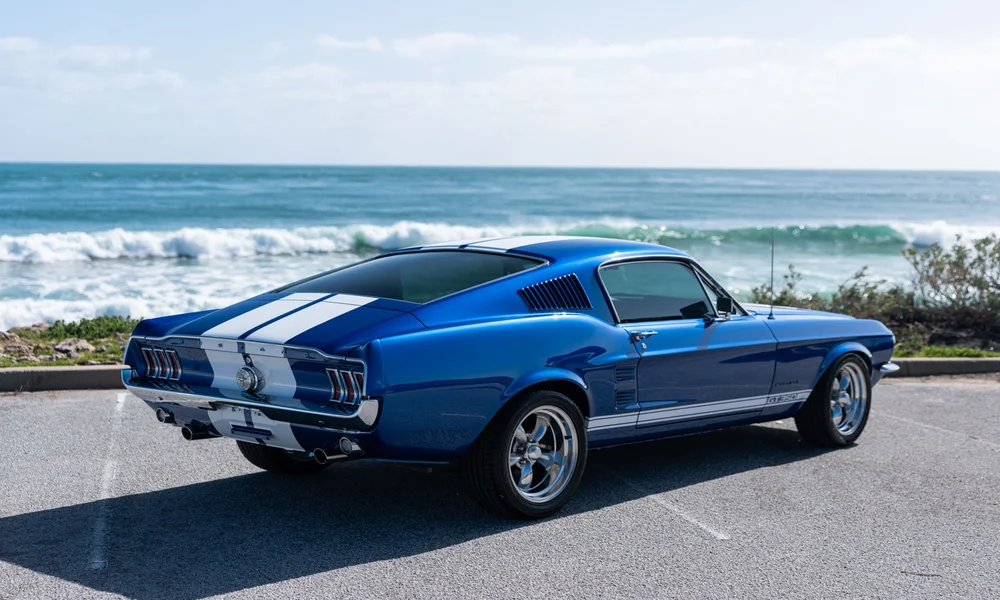
The appeal of the 1967 GT Fastback comes from its distinctive combination of styling, performance, and cultural significance. Its long hood, short rear deck, and sweeping roofline gave the Mustang a memorable profile that remains recognizable decades later. The fastback body style also provided a strong foundation for performance-oriented versions, making it especially interesting to enthusiasts and collectors. Combined with its appearances in popular films, these qualities have helped keep the 1967 fastback firmly connected to classic American automotive culture.
Steve McQueen and the Chase That Changed Everything
Steve McQueen’s Highland Green Mustang GT fastback from the 1968 film Bullitt is often credited with launching the modern car-chase genre entirely. Filmed on San Francisco’s steep streets with minimal safety nets, the ten-minute sequence became so iconic that enthusiasts still refer to that specific fastback simply as the Bullitt Mustang. That single film role cemented the fastback’s image as the car of choice for genuine, high-stakes driving.
Eleanor Gave the Fastback a Second Life on Screen
Decades later, the 2000 remake of Gone in 60 Seconds introduced audiences to Eleanor, a customized 1967 Mustang Fastback built to resemble a Shelby GT500. Designed by hot rod illustrator Steve Stanford and built by Chip Foose, Eleanor became a character in her own right, and her popularity introduced an entirely new generation of fans to the fastback’s silhouette.
A Silhouette That Was Made for the Big Screen
It’s not a coincidence that filmmakers kept reaching for this specific body style. The fastback’s long hood, short deck, and sloping roofline give it a sense of motion even when it’s sitting still, which translates naturally to film in a way that boxier body styles simply don’t. That built-in cinematic quality is part of why directors kept returning to the same silhouette decade after decade.
Pop Culture Fame Has Translated Into Real Market Value
This kind of exposure hasn’t just kept the car culturally relevant, it’s had a real impact on value too. Screen-used or accurately restored examples tied to films like Bullitt and Gone in 60 Seconds have sold for prices well into the millions at auction, far outpacing standard examples of the same model year. That gap shows just how much cinematic history can shape what collectors are willing to pay.
A Legacy That Keeps Attracting New Fans
Because these films keep finding new audiences through streaming and reissues, the fastback’s popularity hasn’t slowed down with age the way some classic cars naturally do. Each new generation that discovers Bullitt or Gone in 60 Seconds tends to develop the same fascination with the car itself, keeping demand steady among collectors and casual fans who weren’t even alive when the original films came out.
Conclusion
The 1967 Mustang GT Fastback’s popularity isn’t just about what came out of the factory, it’s about the decades of film history that followed and kept the car firmly in the public eye. Between Steve McQueen’s legendary chase scene and Eleanor’s cult following, this particular body style earned a place in pop culture that few classic cars ever achieve. That lasting spotlight is a big part of why the fastback continues to capture attention well beyond the classic car community.